My Baking & Coffee Origins

Ever since I was a little girl, I loved baking (and eating) desserts. Once I was old enough, I would help my mom in the kitchen at any opportunity and we became the go-to people for dessert at family functions or class holiday parties.
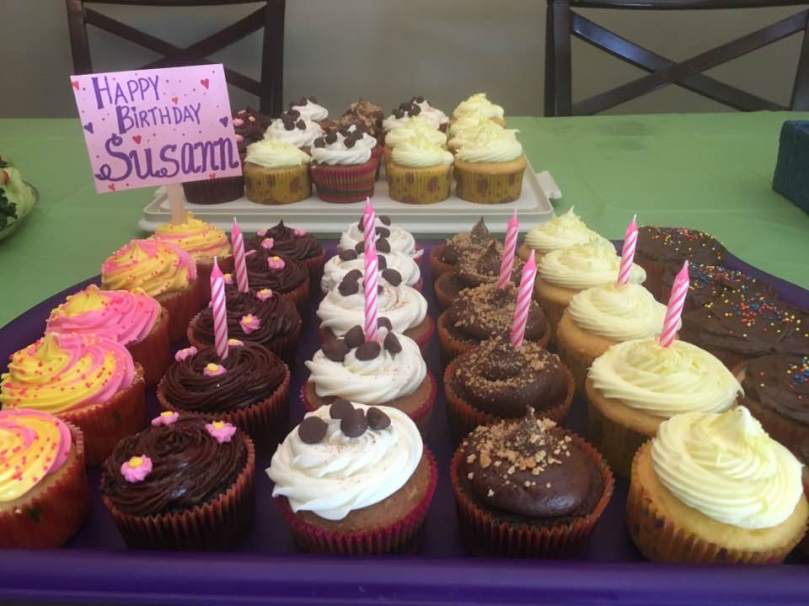
Birthday Cupcakes that my mom and I made for her cousin’s 65th birthday!

Once I went to high school, I love baking for class holiday parties or end of the year gifts (I was a bit of a kiss-up in high school). When I first started college, it got hard for me to bake as much as I wanted too.

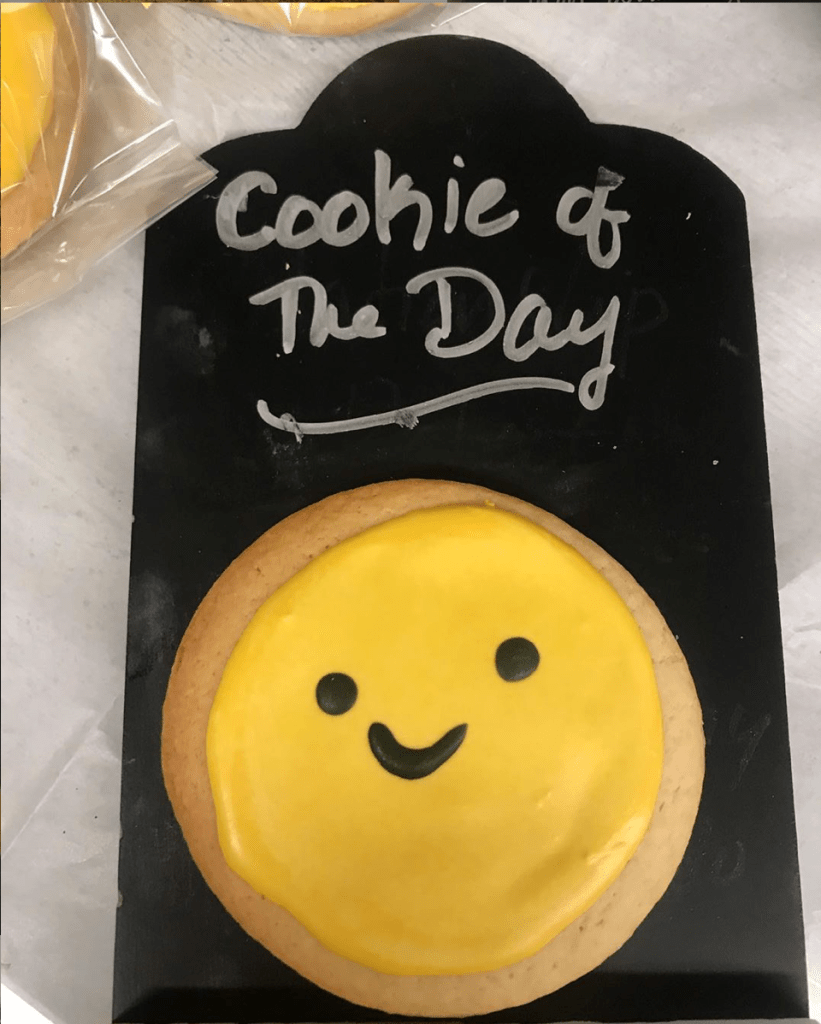
Now, I am so happy that baking is part of my job. I get paid to experiment with recipes and decorate ginger bread cookies.

For me, baking can be meditative. Reading and re-reading a recipe. Measuring out and counting ingredients. Mixing everything together. Setting timers. Seeing, and smelling, the finished product.

So coffee…

Honestly, I did not like coffee up until fairly recently. Now that I drink coffee, I don’t know how I made it through my freshman year of college (and countless all-nighters) without the aid of caffeine.

Half way through my freshman year of college, I started working for Starbucks. My first day on the job, I did a “coffee tasting” with my manager and struggled to actually drink it; but as I learned and did more coffee tasting, I fell in love.

There are so many different kinds of coffee flavorings and my favorite activity at work when it got slow was trying fancy new pairings -like drizzling caramel onto a chocolate croissant and pairing it with a French roast.
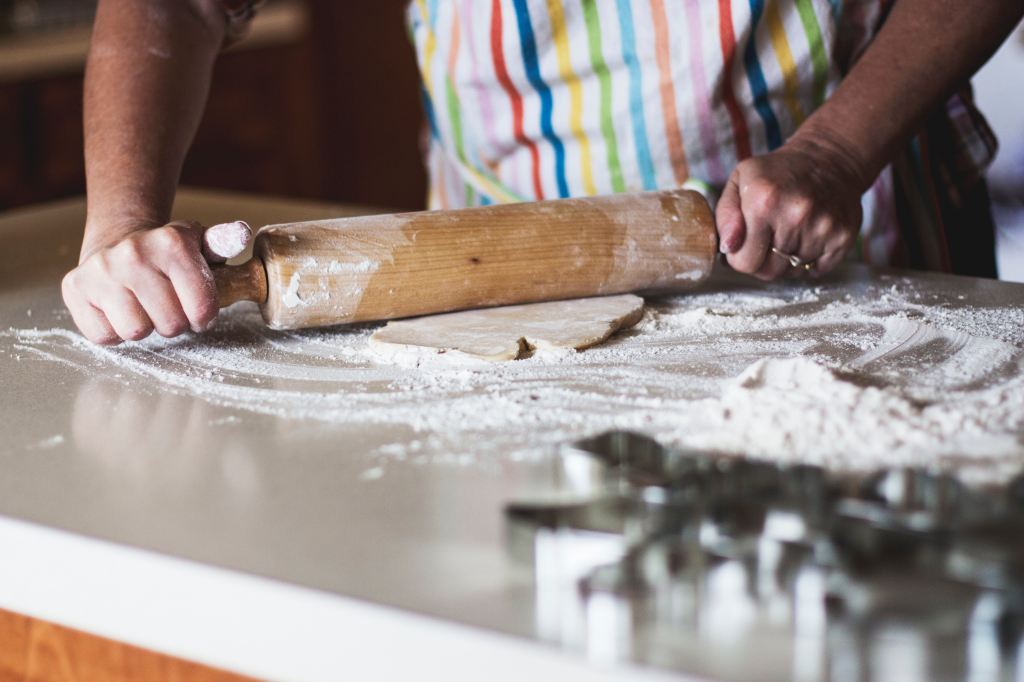
Easy Baking Substitutes

So you just starting making some royal icing, egg whites are already being whipped and oh no! You realize you are out of confectioners sugar (also known as powdered sugar)! What do you do so you don’t waste the ingredients you’ve already mixed and are able to finish decorating your cookies?

I have done this more times than I care to admit, and it can get really frustrating when you’re trying to look up the substitute for confectioners sugar while the standing mixer is frothing your egg whites.

Here is a list of the most common baking substitutes that I’ve found during my mis-adventures in baking:

Confectioners Sugar

Blend together (I recommend in a food-processor). 1 cup = 1 3/4 cups confectioners sugar

  • 1 cup granulated sugar
  • 1 teaspoon cornstarch

Buttermilk

For 1 cup of buttermilk

  • 1 tablespoon white vinegar (or lemon juice)
  • enough milk to measure 1 cup (with the tablespoon of white vinegar)

Stir and let sit for approximately 5 minutes.

Second Method

  • 1 3/4 teaspoons cream of tartar
  • 1 cup milk

In a pinch, I have found that heavy cream can also substitute for buttermilk, depending on what you are baking. I used it to make a Cardamom Coffee Cake

Baking doesn’t need to be exact. While a lot of science goes into how fluffy your cake turns out, feel free to play around with different substitutes, you’ll never know what you’ll discover.

Welcome!

INTRODUCTION TO MY PAGE

If you are here, you’re probably looking to learn more about coffee, specialty coffee drinks, and anything baking! 

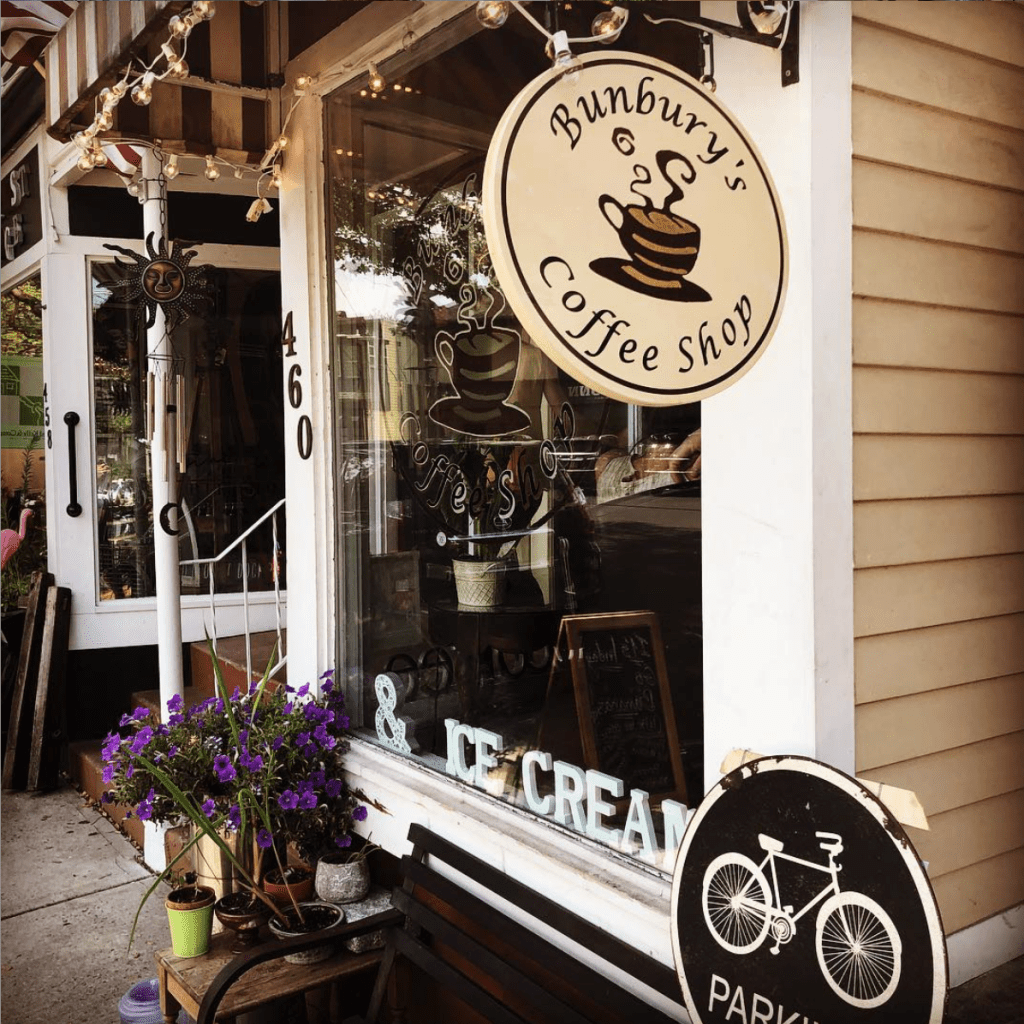
Currently, I work as a barista and a baker at a locally owned and operated coffee shop, Bunbury’s Coffee and Tea, nestled right on the Hudson River, just 15 miles from Manhattan. Prior to this, I was employed by a multi-national coffee chain for about 4 years. 

Bunbury’s Coffee Shop, owned and operated by Pirsos Coffee & Tea

Ever since I was a little girl, I loved baking and decorating various treats and sweets, part of me always wanted to work in a bakery. Now I’m thrilled (and thankful) I was able to turn this dream into a reality! 

Taking on the role as baker as definitely been a learning curve for me, and I am constantly scouring different websites looking for tips and tricks on everything from baking times to substitutes (lesson learned: always make sure you have all your ingredients before you start something). It can get discouraging when you would find sources that completely contradicted one another (So do you refrigerate royal icing or not?

My aim with this blog is to show a variety of tips and tricks based on your personal or business needs. In addition to facts and tricks about different coffee brewing and espresso techniques. So hopefully you will have to look no further than this page for all things coffee, sweets, and treats

So where does coffee actually come from?

I’m sure a lot of you have never really thought about where your coffee comes from, especially when just grabbing a latte from Starbucks as you run errands. But even just learning a little bit about where your coffee comes from makes it easier to choose more sustainable choices.


Coffee is commonly cultivated from areas within the “coffee belt”. The coffee belt is where coffee grows best, between the Tropics of Capricorn and Cancer; this is also why you can have a multitude of different flavored coffee.

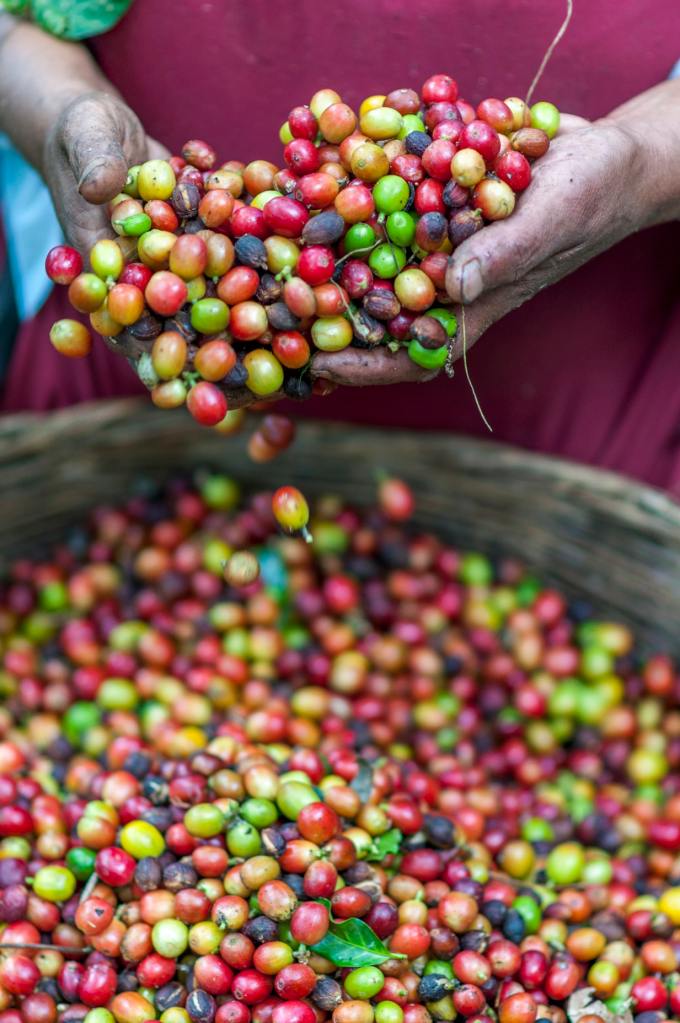
The coffee “cherry” right after it has been harvested.

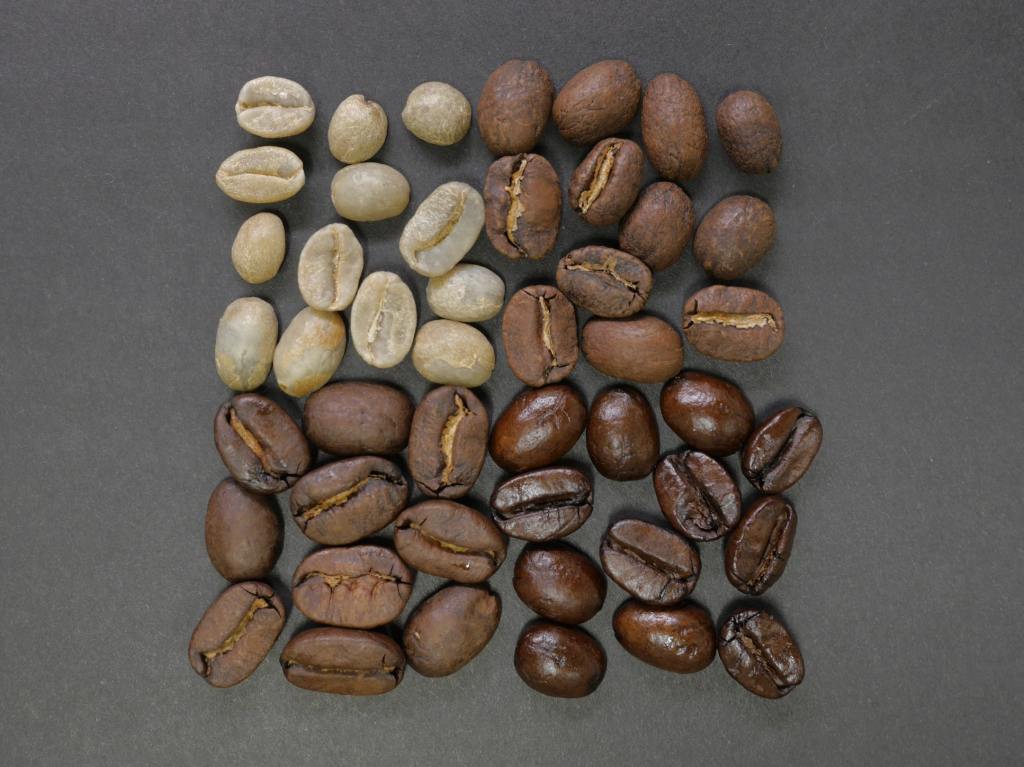
Coffee that has been roasted for longer will be darker in color, and have stronger and more bold notes. While coffee that is roasted for less time will be lighter in color, with a lighter and softer flavor.

Coffee and Sustainability

Fair Trade USA is a nonprofit organization that promotes sustainable livelihoods for farmers and workers; protects fragile ecosystems; and builds strong, transparent supply chains through independent, third-party certification…Fair Trade USA also provides critical capacity-building programs at origin, and educates consumers about the power of their purchase.

Fair Trade USA

What is Fair Trade Coffee?

Fair-trade coffee means that there is an actual fair trade between the companies that sell coffee in places like the US and the farmers and laborers that actual produce the coffee in developing countries.

Fair trade is based on having dialogue, transparency, and respect. This in turn leads to better working conditions for laborers.

How can you contribute to sustainable coffee practices?

It can be really hard to sustain sustainable coffee practices, but here are some easy practices you can try in your day-to-day life:

  1. Buy ground coffee or coffee beans from companies that are Fair Trade and/or organic. Look for the Fair Trade label
  2. Bring your own re-usable cup (I’m guilty of not always doing this one and have found that leaving a clean travel cup in my car helps me use them more frequently)
  3. Learn more. Organizations like Fair Trade USA and even Starbucks do a lot for sustainability and provide information about what you can do